
Duluth, Georgia
Water Damage Restoration in Duluth, GA
Our local water damage professionals handle water damage restoration in Duluth, GA, when leaks leave carpet soaked or walls soft. Call and describe the affected rooms to start water removal, drying, and repair planning.
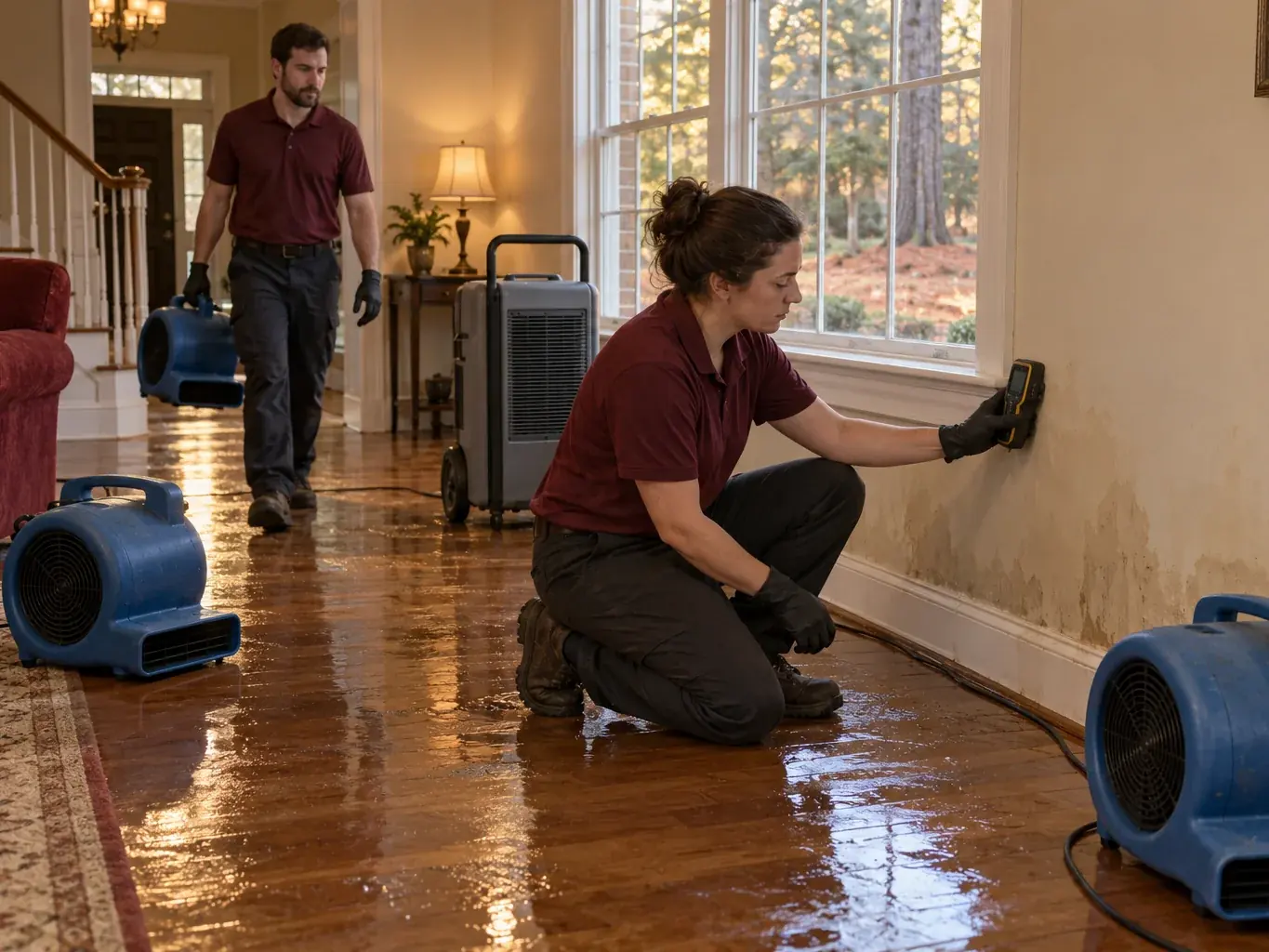
- Calls answered 24/7
- Water removal and drying
- Serving Duluth and nearby
Water Damage Cleanup Services in Duluth
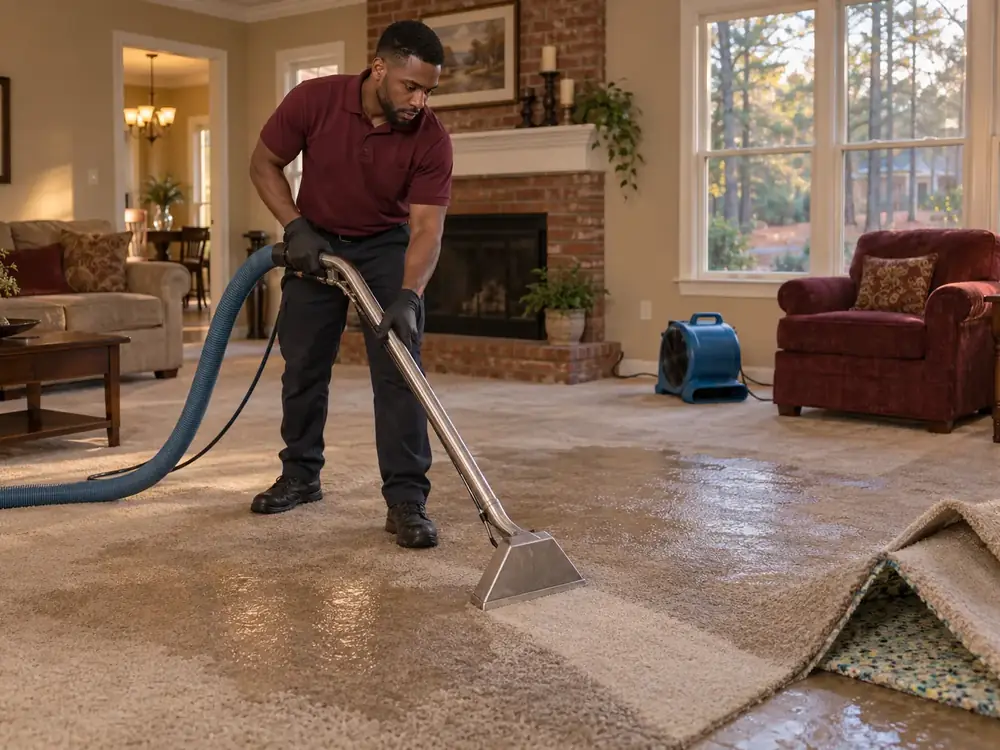
Emergency water removal in Duluth starts with a call about standing water, soaked carpet, and leaks reaching lower rooms. Cleanup addresses the water on the surface and the moisture that has spread into surrounding materials.
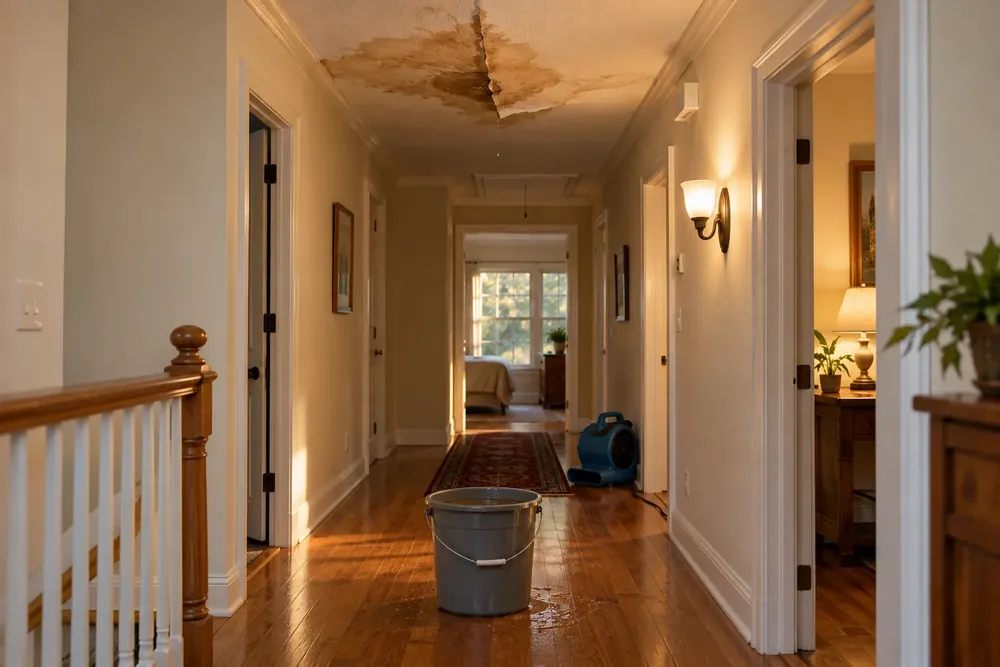
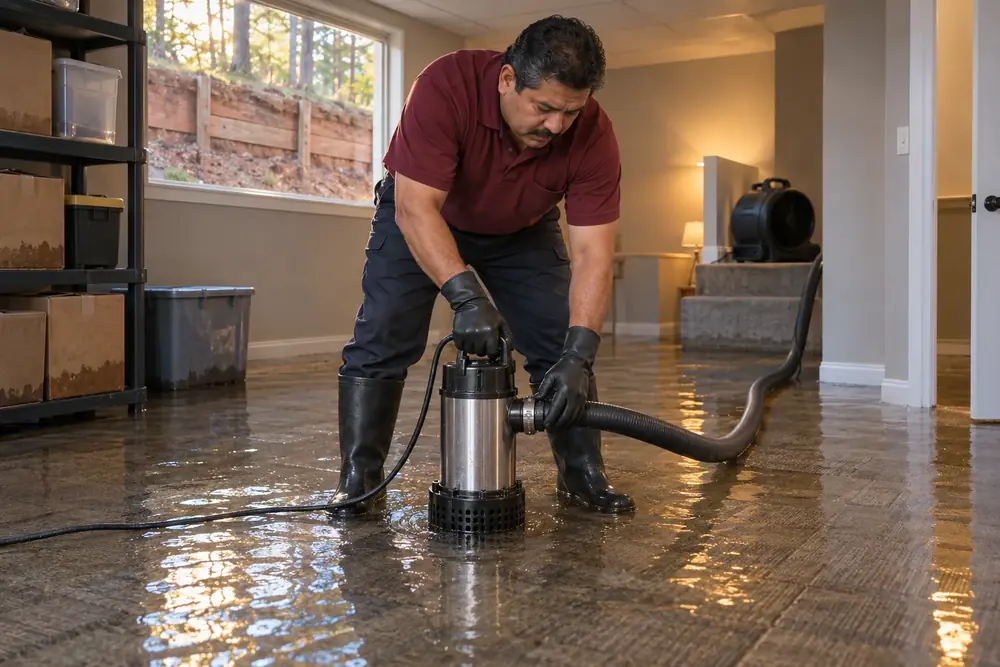
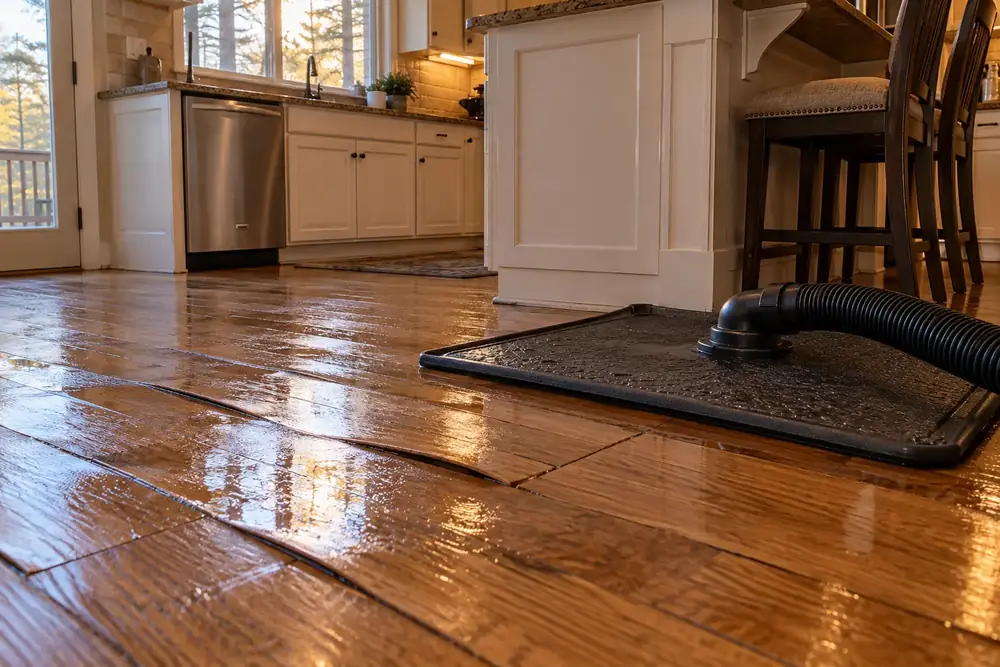
Leaks and Drainage Problems in Duluth
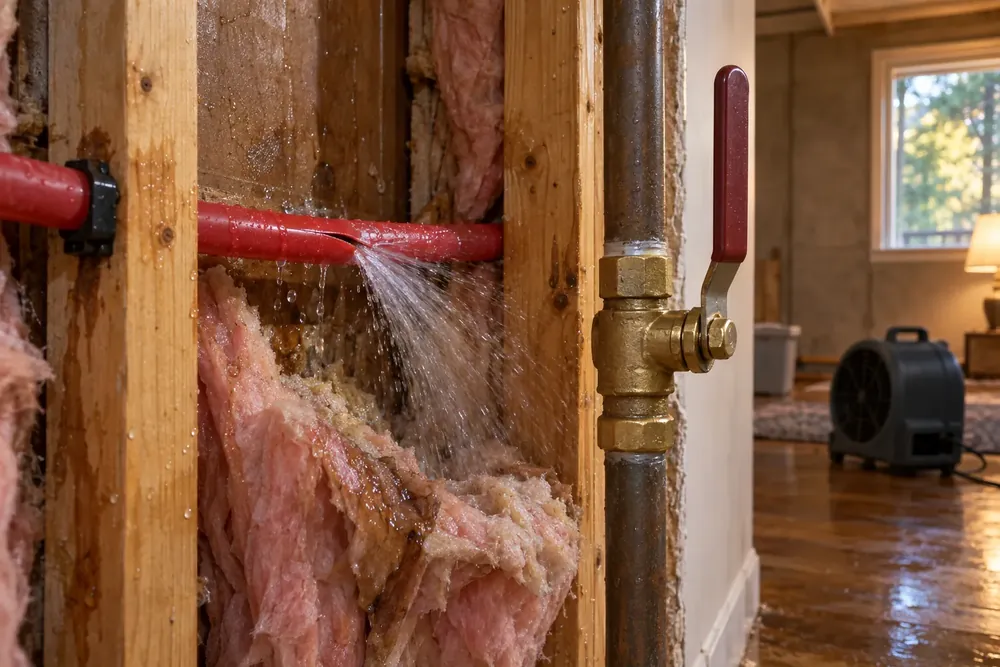
Supply lines, water heaters, and appliance hoses can send water into cabinets, carpet padding, and floor seams. A split line causing burst pipe water damage in Duluth leaves both plumbing repair and wet rooms to address. Call while the damage is developing; a safe water shutoff can limit further spread.
Upstairs bathroom leaks and blocked HVAC condensate lines can leave stains below the source. Call about ceiling water damage repair. Duluth, GA homeowners should mention spreading marks, dripping, or weakened seams during the conversation. Your technician checks the cavity and identifies materials that need drying or replacement. Stay clear of a sagging ceiling.
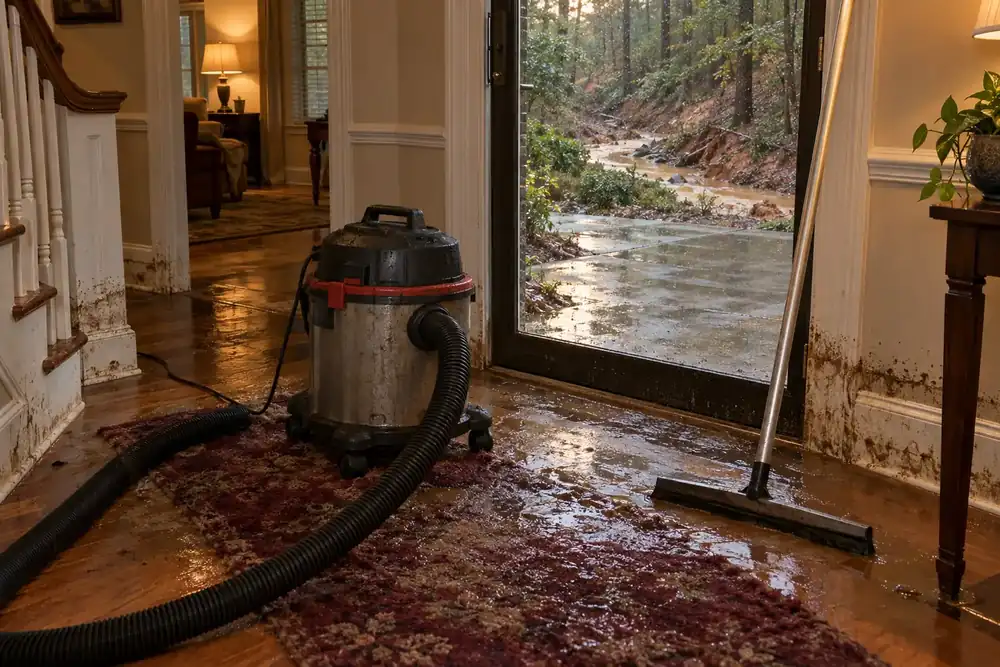
Rainwater entering at a doorway or foundation creates a different cleanup scope from a leaking appliance. Duluth's Stormwater Division manages drainage infrastructure inspections, maintenance, and repairs. Tell the person answering whether water entered from outside. Puddles, wet flooring, and affected wall edges help describe the damage during a call to arrange water extraction in Duluth.
Your Duluth Call Starts Cleanup
- Call with your Duluth address and describe the leak or flooding. Mention whether water is still entering and whether a ceiling or electrical outlet is involved.
- Your technician checks the source, affected materials, and safe access. A suspected public water problem belongs with Gwinnett County Water Resources alongside the indoor cleanup request.
- Standing water is extracted, and materials are assessed for drying or removal. Moisture readings establish where the wet area extends beyond visible puddles.
- During structural drying, Duluth, GA technicians track moisture changes and adjust equipment. Once readings support the drying goal, the remaining repair scope is explained.
Duluth Utility and Building Repair Details
Water and sewer problems involve Gwinnett County
Duluth's utilities page identifies Gwinnett County Water Resources as the contact for water and sewer service. That distinction matters when water is coming from a suspected public line rather than a hose or fixture inside the home. Call about the wet rooms now and describe where the water appears to start. Your technician's assessment of indoor damage and a county investigation of public infrastructure address different parts of the problem.
An outdoor leak does not explain how far moisture has traveled beneath flooring. Emergency water extraction addresses that indoor spread, while the source of the water needs separate attention.
Structural changes need permit planning
Duluth's Community Development and Engineering FAQ says modifying or adding to an existing structure generally requires a building permit. The repair scope should identify structural changes before reconstruction begins. A wet wall surface and damaged framing may require different work, so discuss both during the assessment rather than assuming repainting will finish the job.
Outside water changes the material handling needed for flood cleanup. Duluth, GA residents should share whether water reached finished rooms or unfinished space. Call to begin the damage assessment; permit planning belongs in the reconstruction process.
Neighborhoods We Serve in Duluth
Cardinal Lake Estates, Berkeley Manor, Forest Manor North, and Howell Wood appear in Trulia's Duluth neighborhood directory. Call from these Duluth neighborhoods with the street address and the rooms affected. A subdivision name adds local context, while the address identifies the home needing attention.
Also serving near Duluth:
Duluth Water Damage FAQs
- What does emergency water removal include in Duluth?
Emergency water removal includes assessing safe access, extracting standing water, and checking nearby materials for moisture. Wet carpet padding or a wall cavity may need attention beyond the visible puddle. Call about the affected rooms and whether the leak continues. Your technician explains the extraction work and the drying steps needed afterward.
- How long does a Duluth home take to dry?
Drying takes as long as the affected materials need to reach the assessed moisture goal. Water trapped under flooring or inside insulation can extend the process beyond surface drying. Your technician checks readings over successive visits and explains what remains wet. Painting and floor repairs follow the assessment of the materials beneath the finish.
- What documentation can I get for insurance?
Documentation can include photographs, moisture readings, and a written description of the damaged rooms and proposed work. For a Duluth home, identifying where water entered helps make that record specific. Ask during the call about documenting extraction and drying. The paperwork records damage and completed work; it does not establish an insurance decision.
- Do I need a plumber or water damage cleanup?
A leaking pipe needs plumbing repair, while soaked building materials need water damage cleanup and drying. Both may be necessary after the same leak. Duluth lists Gwinnett County Water Resources for public water and sewer emergencies. Describe the apparent source when calling about cleanup so the wet materials receive attention alongside the source problem.
- What happens on the call, and how is cost explained?
The call starts with your Duluth address, the affected rooms, and any active water or safety concerns. One of our local water damage partners explains the proposed work and its price before work begins. The amount depends on extraction, drying access, damaged materials, and reconstruction. You can discuss visible damage immediately without measuring every wet surface.